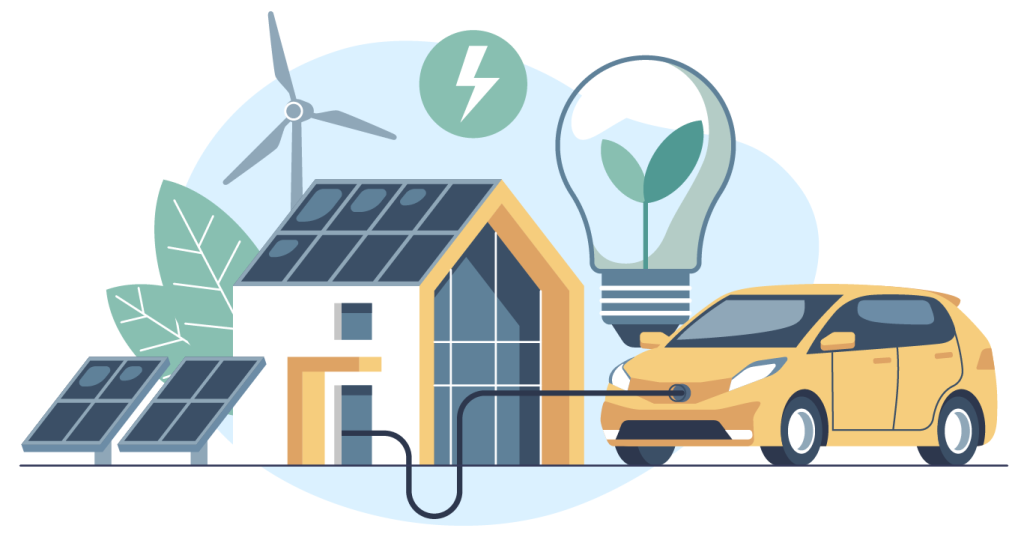
Advances in AI, smart metering, rooftop photovoltaics, portable generators, and small-scale residential battery systems are transforming traditionally passive energy consumers into active system participants. End-user decisions and energy consumption behaviors are increasingly reshaping the dominant role of centralized electricity markets. As a result, new market design and planning frameworks are emerging, requiring careful yet flexible consideration to accommodate evolving participation models.
View related publication (Coming Soon) →
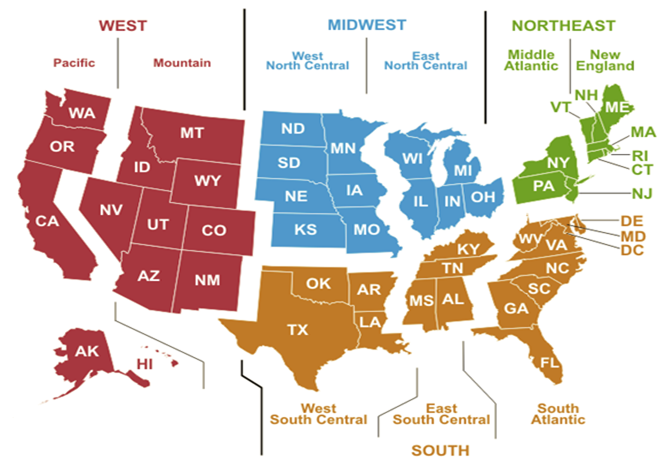
The complexity of evaluating energy policy effectiveness can be addressed through macro energy system modeling. Energy systems are never independent—they are tightly coupled with power, economic, climate, and technological sectors, both internally and externally. This complexity is further compounded by policy inconsistencies across geographic scales, from local councils to state, regional, and national levels. Modeling provides a framework to explore how policies act as incentives to shift future market dynamics and to guide the evolution of related policies.
View related publication (2025) →
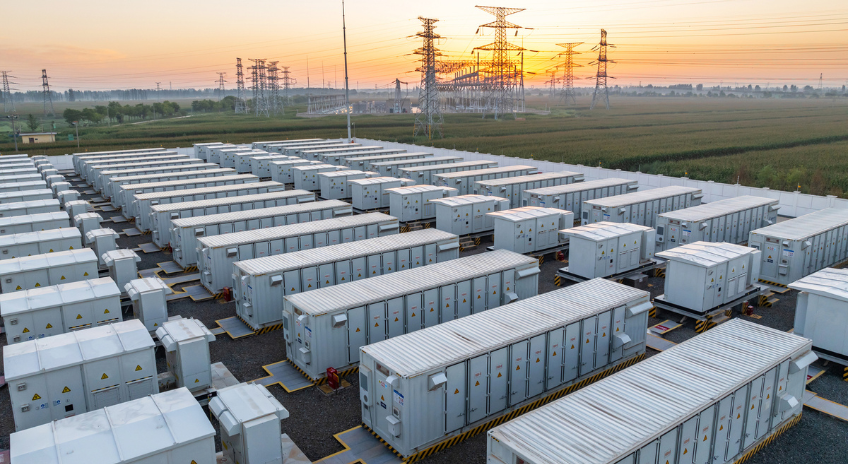
Energy storage systems, particularly batteries, are becoming essential components of integrated energy systems as renewable energy resources increasingly dominate electricity generation. Selecting and deploying storage technologies is itself a complex system-level problem, requiring careful consideration of both technical performance and economic factors to enhance overall system resilience.
View related publication (2025) →
The reliable operation of modern power systems and aggressive energy policies for decarbonizing the generation sector are often viewed as competing objectives. In practice, these goals co-evolve as power systems undergo structural transformation. With resilience challenges from high-impact, low-probability disruptive events intensifying, it is essential to assess how energy policy–driven changes in future system configurations can enhance resilience and identify strategies to maximize these benefits.
View related publication (2023) →
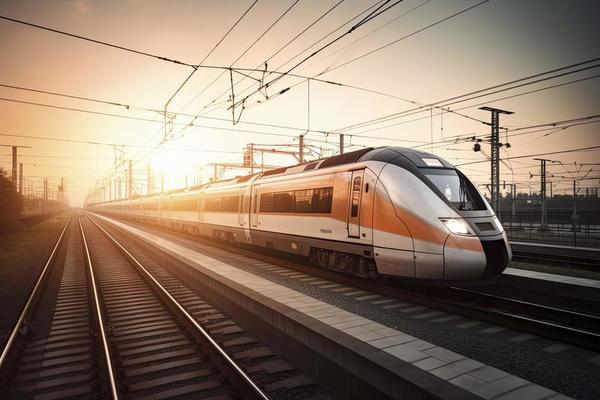
The development and operation of high-speed trains place significant demands on electricity supply, system monitoring, and control. Modern trains also incorporate regenerative energy, creating opportunities and challenges that call for innovation in traditional system structures and operational strategies.
View related publication (2017) → View related publication (2022) →